
fbpx

FIND COVID-19, FLU & RSV INFORMATION HERE.

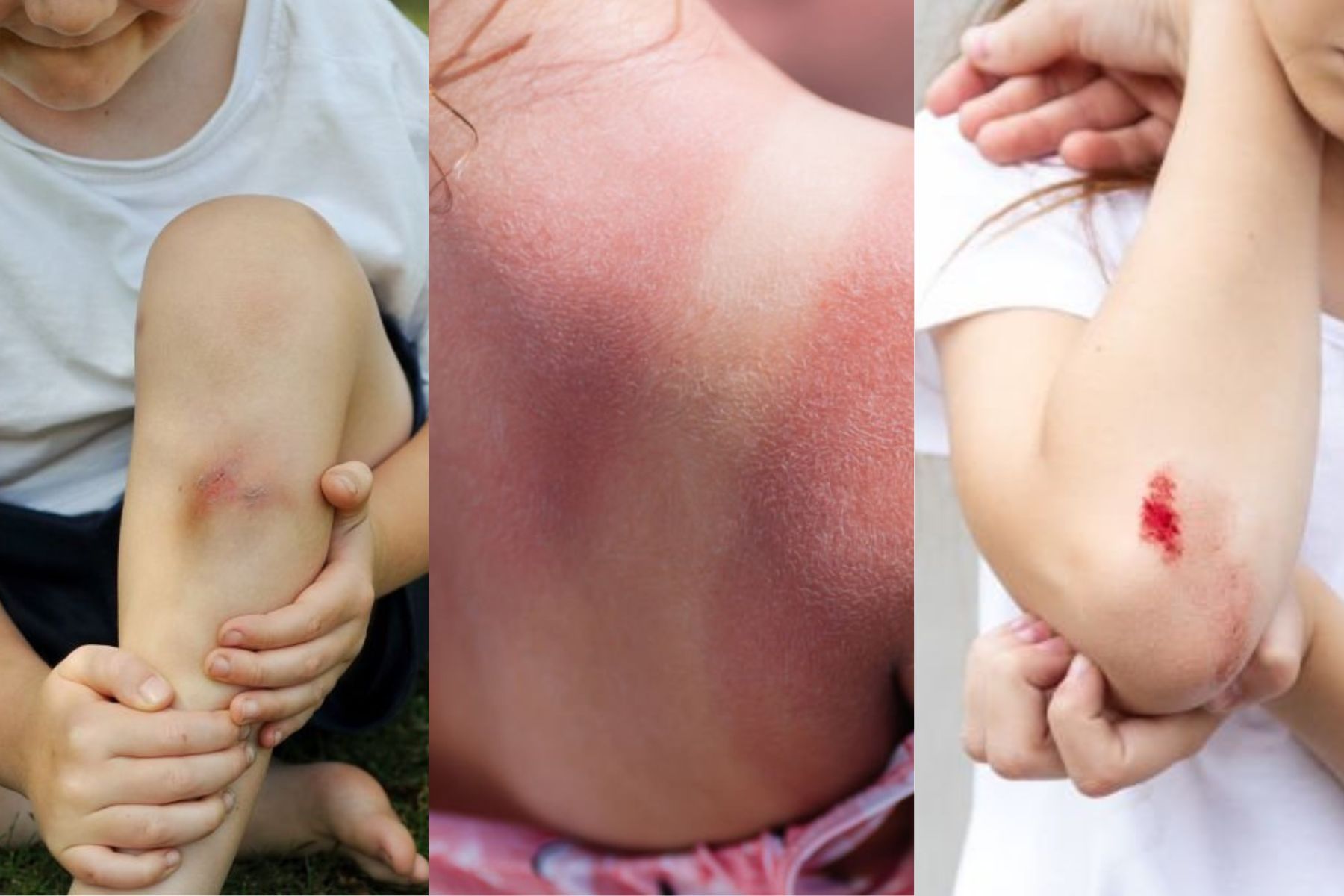
Summer brings endless opportunities for adventure, but it also means a higher chance of bumps, bruises, and other injuries. As a parent, being ready for these unexpected moments is key to keeping your child safe and sound. In this Summer Survival Guide, we’ll walk you through practical tips to handle common injuries and prevent accidents, so you can focus on enjoying the sunshine—without the worry.

Cuts and scrapes
1. Wash your hands first to reduce the risk of infection. Use soap and water or hand sanitizer before touching the wound.
2. Stop the bleeding by gently pressing a clean cloth or gauze on the wound for a few minutes. Most minor cuts and scrapes stop bleeding on their own, but pressure helps.
3. Clean the wound by rinsing it with cool, clean water as dirt and debris can cause infection. Use mild soap around (not directly in) the wound. Skip hydrogen peroxide or alcohol—they can irritate healing tissue.
4. Apply an antibiotic ointment to help prevent infection and keep the wound moist.
5. Cover the wound with a sterile bandage to protect it from dirt and bacteria. Change the bandage daily or if it gets wet or dirty.
6. Let the wound heal naturally and encourage your child not to scratch or pick at it (this can slow healing and leave scars).
7. Watch for redness or swelling around the wound, pus, increased pain or fever which could be a sign of infection.
8. Call your CPCMG pediatrician or visit urgent care if:
• the wound is deep
• the wound won’t stop bleeding
• it was caused by a dirty or rusty object (there is a possibility of tetanus risk)
• there’s a large amount of debris you can’t remove
• you notice signs of infection

Bumps and bruises (minor injuries)
1. Check the injured area for swelling, redness, or bruising.
2. Ask your child if it hurts, where it hurts, and if they feel dizzy or nauseous.
3. If your child is alert, moving normally, and not overly distressed, it’s likely a minor injury.
4. Use the R.I.C.E. Method:
R – Rest: encourage your child to rest the injured area.
I – Ice: apply a cold pack or a cloth-wrapped bag of ice to the area for 10–20 minutes. Repeat every two to three hours during the first 24–48 hours.
C – Compression: wrap the area gently with an elastic bandage if there is swelling, but not too tightly.
E – Elevation: if possible, raise the injured area above the heart to reduce swelling.
5. If your child is in pain, you can give acetaminophen (Tylenol®) or ibuprofen (Advil®), according to their weight and age. Avoid aspirin.
6. Seek medical attention if:
• The bump is on the head and your child vomits, becomes drowsy, confused, or loses consciousness.
• The bruise is unusually large or painful.
• Your child has difficulty moving a limb or joint.
• There is a possible fracture (bone may look deformed, or your child can’t put weight on it).
• Bruises occur frequently or without cause, which could suggest a bleeding issue.

Do the “Stingray Shuffle”
1. Stingrays typically rest on the ocean floor, often camouflaged by sand and they may sting in self-defense if they feel threatened.
2. Instead of lifting your feet and stepping normally into the water, shuffle your feet along the sandy bottom of the ocean. By doing this, you create vibrations and disturbances in the sand that will let the stingrays know you are coming. This gives them a chance to move away before they need to defend themselves.
3. If someone does step on a stingray and gets stung, soak that body area in warm water. Keep a spray bottle of vinegar on hand to treat anyone stung by a stingray.
4. Don’t forget to contact a lifeguard for additional help.

Blisters
1. Wash your hands thoroughly and gently clean the blister and surrounding skin with soap and water. Don’t use alcohol or hydrogen peroxide on open skin as it can delay healing.
2. Pat dry with a clean towel.
3. For intact blisters, cover loosely with a clean bandage or blister pad to cushion and protect.
4. For popped or broken blisters, apply an antibiotic ointment and cover with a sterile, non=stick bandage (change daily if the bandage gets wet or dirty). Do not peel off the skin unless it’s dirty or torn.
5. Use moleskin or padded bandages to keep shoes or clothing from rubbing against the blister.
6. Watch for signs of infection and call a doctor if you notice:
• Increased redness or warmth
• Swelling
• Pus or yellow discharge
• Fever or the child seems unwell

Bug bites and bee stings
1. Wash the bite with mild soap and water to remove any dirt or irritants; pat the area dry gently. Try to remove the stinger from a bee sting.
2. Use a cold compress to reduce swelling and itch – use a clean, cold washcloth or wrapped ice pack for 10-15 minutes on the bite.
3. Apply calamine lotion or hydrocortisone cream (0.5% or 1%)—safe for children over 2 (check age recommendations).
4. An oral antihistamine (e.g., Zyrtec®/cetirizine) can help with severe itching – check with your CPCMG pediatrician for dosage.
5. Watch for infection and contact a doctor if you notice:
• Redness spreading around the bite
• Warmth, pus, or a bad smell
• Fever or if your child seems unusually tired
6. If there are any signs of allergic reaction, call 911 or head to the nearest emergency room.

Sunburns
Sunburns can be painful and take several days to heal, but with proper care the discomfort can be minimized.
1. Cool the skin by applying a cool compress or run a cool (not cold) bath or shower. Avoid using very cold water, as it can shock the skin, and do not scrub the skin to prevent more irritation.
2. Moisturize the skin by applying a gentle, hydrating moisturizer like aloe vera. Avoid products with fragrances, alcohol, or artificial dyes, as these can irritate the skin further.
3. Keep hydrated as sunburns can dehydrate the body. Encourage plenty of fluids, especially water and electrolyte drinks. Avoid sugary drinks or caffeinated beverages, as they can contribute to dehydration.
4. If your child is in pain, you can use acetaminophen (Tylenol®) or ibuprofen (Advil®) for relief. Be sure to follow the recommended dosage based on your child’s age and weight. Do not give aspirin to children under the age of 18.
5. Sunburned skin is more sensitive, so avoid exposing the skin to the sun until the burn has healed.
6. If your child must go outdoors, make sure they wear loose, soft clothing to avoid irritating the burned skin. Choose a wide-brimmed hat and sunglasses, and reapply sunscreen regularly when going outside. Use sunscreen (SPF 30 or higher) when going outside, even if the sunburn has started to heal.
7. As the skin heals, it may peel. It’s important not to peel or scratch the skin, as this can cause scarring and slow down the healing process. Keep the skin moisture to help skin regeneration.
8. In most cases, sunburns are mild and can be treated at home, but watch for signs of more serious sunburn or dehydration, including:
• Blisters or broken skin.
• High fever or chills.
• Severe pain that isn’t relieved by over-the-counter pain meds.
• Dehydration symptoms (dry mouth, dizziness, dark yellow urine).
• Confusion or fainting.
If any of these symptoms occur, seek medical attention immediately.


Welcome To The CPCMG Blog

CPCMG’s Summer Survival Guide

CPCMG’s Summer Survival Guide

Summer brings endless opportunities for adventure, but it also means a higher chance of bumps, bruises, and other injuries. As a parent, being ready for these unexpected moments is key

Continue Reading
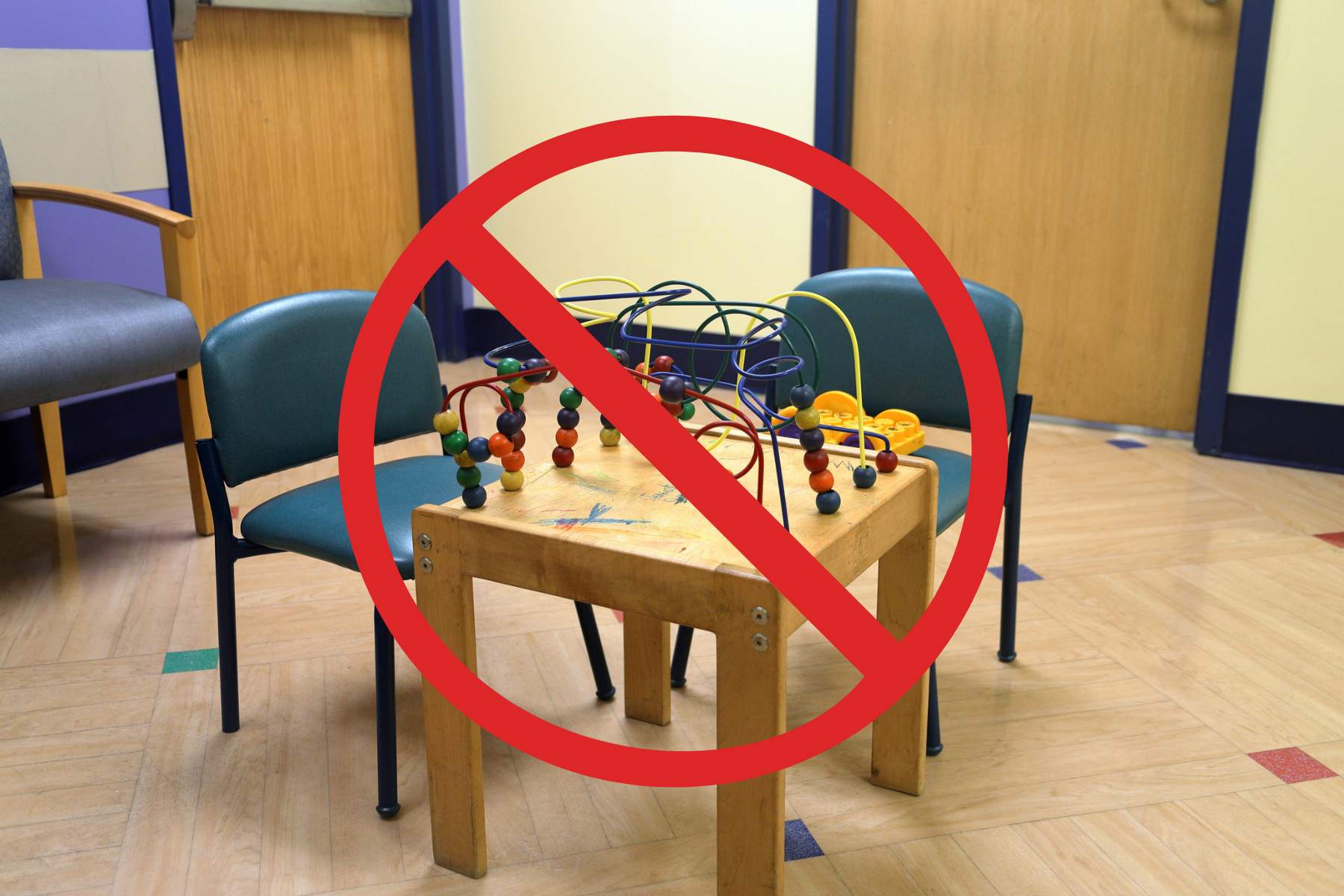
ASK THE PEDIATRICIAN: Why doesn’t CPCMG have toys and books in their office reception areas?

ASK THE PEDIATRICIAN: Why doesn’t CPCMG have toys and books in their office reception areas?

For decades, pediatric office waiting rooms were filled with the comforting clatter of building blocks, the whirl of bead mazes, and the pages of books flipping under little fingers. It

Continue Reading

Commit to the CPCMG PACT: Patients and Clinicians/Care Teams Together

Commit to the CPCMG PACT: Patients and Clinicians/Care Teams Together

CPCMG clinicians and healthcare team are your partners in managing your child’s health. This partnership means all of us – including you – are committed to open communication, attending appointments,

Continue Reading

ASK THE CPCMG PEDIATRICIAN: Can my child develop eye issues from too much screen time?

ASK THE CPCMG PEDIATRICIAN: Can my child develop eye issues from too much screen time?

From online learning and video games to social media and entertainment, screen time has become an integral part of our children’s lives. Parents need to recognize that prolonged screen exposure

Continue Reading

ASK THE CPCMG PEDIATRICIAN: I read on the internet that vaccines contain metals like aluminum which can hurt my child. Is this true?

ASK THE CPCMG PEDIATRICIAN: I read on the internet that vaccines contain metals like aluminum which can hurt my child. Is this true?

As parents, it's natural to have questions about what goes into the vaccines that help protect your children from serious diseases. One ingredient that often comes up for debate is

Continue Reading

ADHD:WHAT EVERY PARENT NEEDS TO KNOW

ADHD:WHAT EVERY PARENT NEEDS TO KNOW

Have you been concerned about your child's ability to focus or sit still? They may have Attention-Deficit/Hyperactivity Disorder (ADHD), one of the most common neurodevelopmental conditions affecting children today. Characterized

Continue Reading
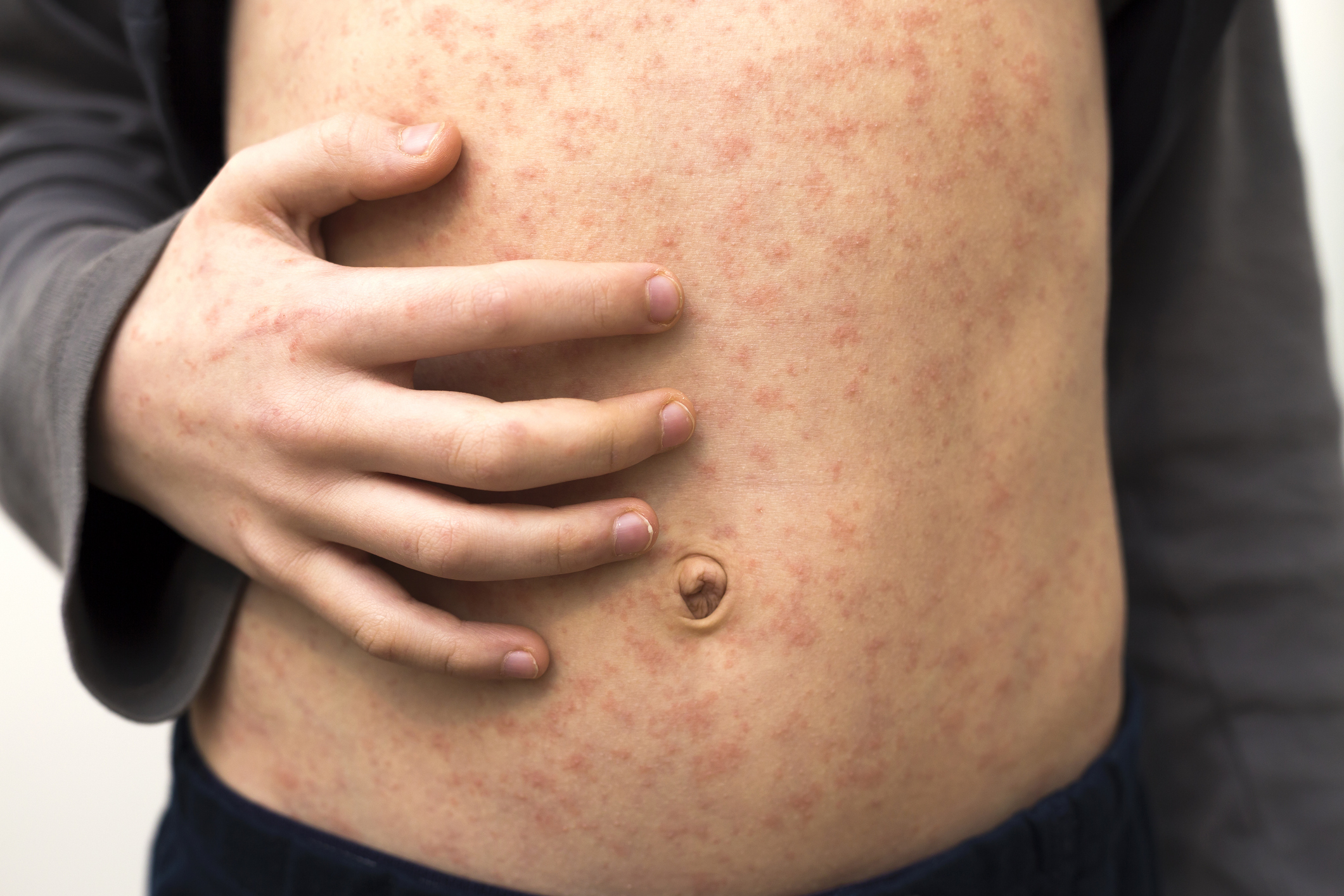
MEASLES: HOW TO PROTECT OUR CHILDREN

MEASLES: HOW TO PROTECT OUR CHILDREN

Measles may seem like a disease of the past but as we know from current headlines, it is still a threat to our children. By ensuring that your child receives

Continue Reading
EARTH DAY ADVENTURES FOR FAMILIES

EARTH DAY ADVENTURES FOR FAMILIES

Earth Day is a perfect opportunity for families to take part in activities that promote environmental awareness while also fostering healthy habits for children. At CPCMG, we believe that celebrating

Continue Reading
BEDWETTING: MORE COMMON THAN PARENTS MIGHT THINK

BEDWETTING: MORE COMMON THAN PARENTS MIGHT THINK

Bedwetting, or nocturnal enuresis, is a common issue many children face as they grow and develop. Many children are fully toilet trained (and no longer wetting the bed at night)

Continue Reading

CPCMG Holiday Hours:click for more information
+